SORA RENTAL NOTE · 17
Is my lease invalid if I signed without understanding the Korean?
Learn why a language barrier does not automatically invalidate a Korean lease, and how to check translations, important mistakes and misleading explanations.
Content checked · 3 October 2026
The key points
- Difficulty reading Korean does not automatically invalidate a signed lease.
- A material mistake, fraud or duress requires a separate legal assessment and evidence.
- Match amounts and obligations across the original, translation and explanations before signing.
01 — 04
Start with the comic
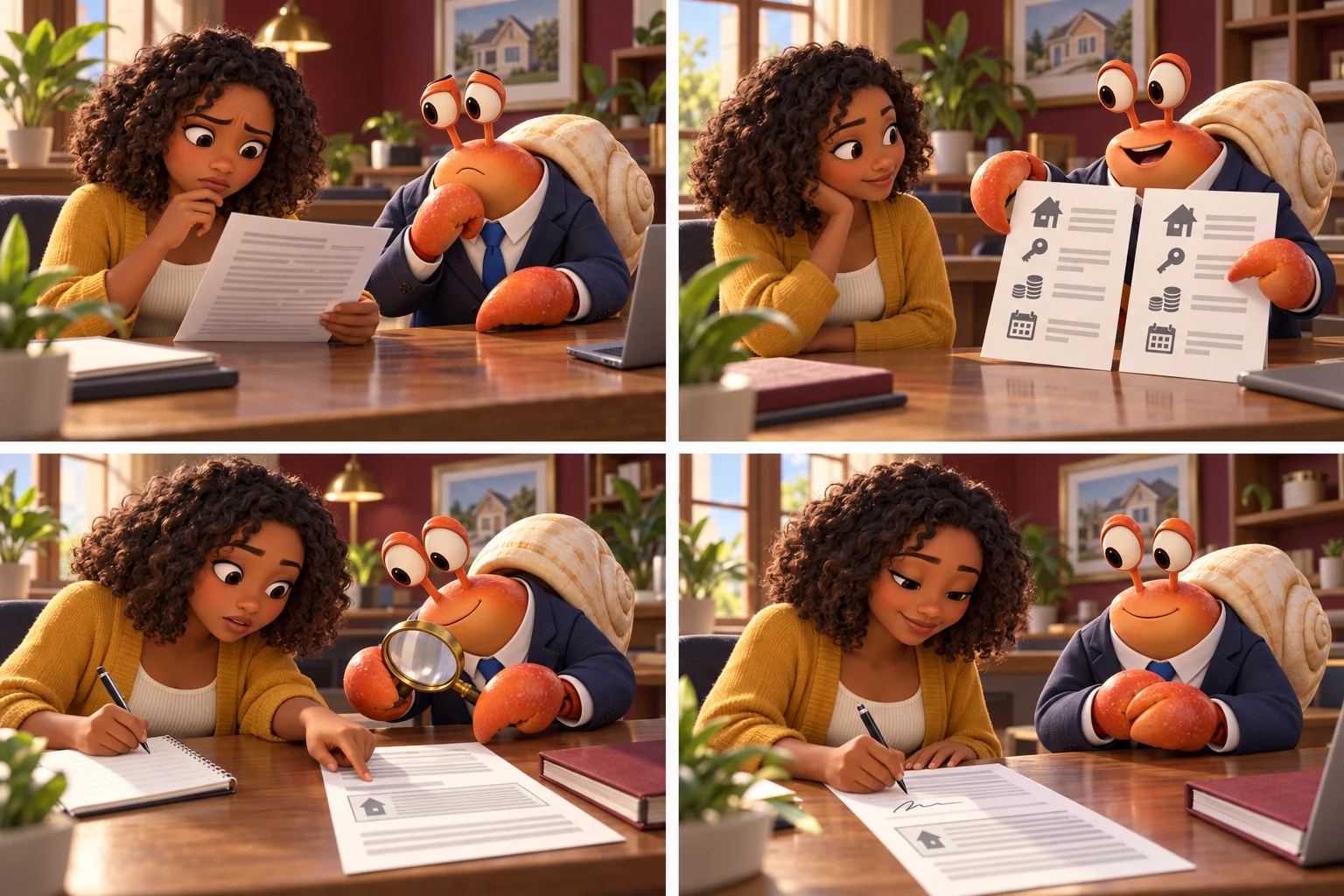
Korean is difficult. Can I cancel later if I misunderstand?
A language barrier does not automatically let you cancel.
I’ll compare the deposit and dates with the translation.
Resolve differences and record the agreed terms before signing.
Misunderstanding and legal cancellation are different
- Translation
- Agreed terms
- Legal requirements
A lease does not lose its effect simply because an international student signed a Korean document. What the parties agreed and what was misunderstood matter. Korean students also need to check the terms they accept.
Civil Act Article 109 allows rescission for a mistake concerning an important part of the transaction, but generally excludes mistakes caused by the person’s gross negligence. Language ability alone does not determine whether these requirements are met.
Preserve the explanation you received
- Original contract
- Translation
- Messages exchanged
Article 110 addresses fraud and duress. A translation error, different wording and deliberate deception are different situations. An incorrect explanation does not automatically establish grounds to rescind every lease.
If a third party deceived you, additional conditions include whether the other contracting party knew or could have known. Keep the original lease, translation, listing and messages showing who said what.
Compare the amounts and obligations
- Refundable deposit
- Monthly rent
- Lease dates
Check the deposit, monthly rent, dates, payment schedule, termination conditions and move-out charges. A Korean rental deposit is generally refundable after deductions for amounts properly due; it is not a non-refundable gift to the landlord.
Machine translation helps understanding but does not reconcile conflicting terms. Resolve differences before signing. If you sign versions in two languages, ensure they match and record how discrepancies will be handled.
What to check
- Request a draft and time to review it.
- Compare every amount and date across the documents.
- Ask for explanations of unfamiliar clauses in a language you understand.
- Record corrections and keep signed copies and translations.
Common questions
Is a lease invalid without an English version?
The absence of a translated version does not automatically invalidate it. Request understandable explanations and verify the actual agreement.
What if I discover a mismatch after signing?
Identify it, save the explanation and ask the other party to clarify. Consider an agreed correction or assess legal rescission requirements. Do not assume the contract has disappeared and stop performing it.
Official sources
These laws and public-agency materials concern renting in Korea. Source documents are mainly in Korean.